
TL;DR:
- Most warranty claims in Florida are denied due to improper installation rather than material defects.
- Florida’s strict building codes and climate conditions heavily influence warranty validity and roof performance.
- Working with certified contractors and maintaining proper documentation are key to ensuring warranty coverage.
Most Central Florida homeowners assume their roofing warranty is a solid safety net. The reality is far more complicated. Over 40% of Florida roofing warranty claims are denied due to improper installation, not material defects. That means the roof over your head could fail during a hurricane, and your warranty paperwork might be worth nothing. Understanding how roofing warranties actually work, what voids them, and how to keep yours valid is one of the smartest moves you can make as a homeowner in Brevard, Volusia, or Orange County.
Table of Contents
- What does a roofing warranty actually cover?
- Why Florida’s climate and building codes make warranties critical
- Why most roofing warranty claims are denied—and how to avoid it
- How to maximize your roofing warranty’s protection
- Why great warranties start with great contractors—a hard-won lesson
- Get a Central Florida roof warranty that truly protects you
- Frequently asked questions
Key Takeaways
| Point | Details |
|---|---|
| Not all warranties are equal | Material and workmanship warranties cover different risks, so know exactly what yours protects. |
| Florida codes affect validity | Failing to meet state building codes can void your roofing warranty—even if damage is storm related. |
| Most claims denied for installation mistakes | Improper installation, not product flaws, is the main reason Florida claims are rejected. |
| Certified contractors boost protection | Hiring certified installers makes it much easier to secure valid warranty coverage and successful claims. |
| Maintenance is essential | Regular roof upkeep and prompt warranty registration are key to keeping your protection active. |
What does a roofing warranty actually cover?
Not all roofing warranties are the same, and that distinction matters enormously when something goes wrong. There are two main types you need to know about: manufacturer warranties and workmanship warranties.
A manufacturer warranty covers defects in the roofing materials themselves. If your shingles crack, blister, or delaminate under normal conditions, the manufacturer steps in. These warranties can run anywhere from 25 years to a lifetime, but the fine print often limits what “lifetime” actually means.
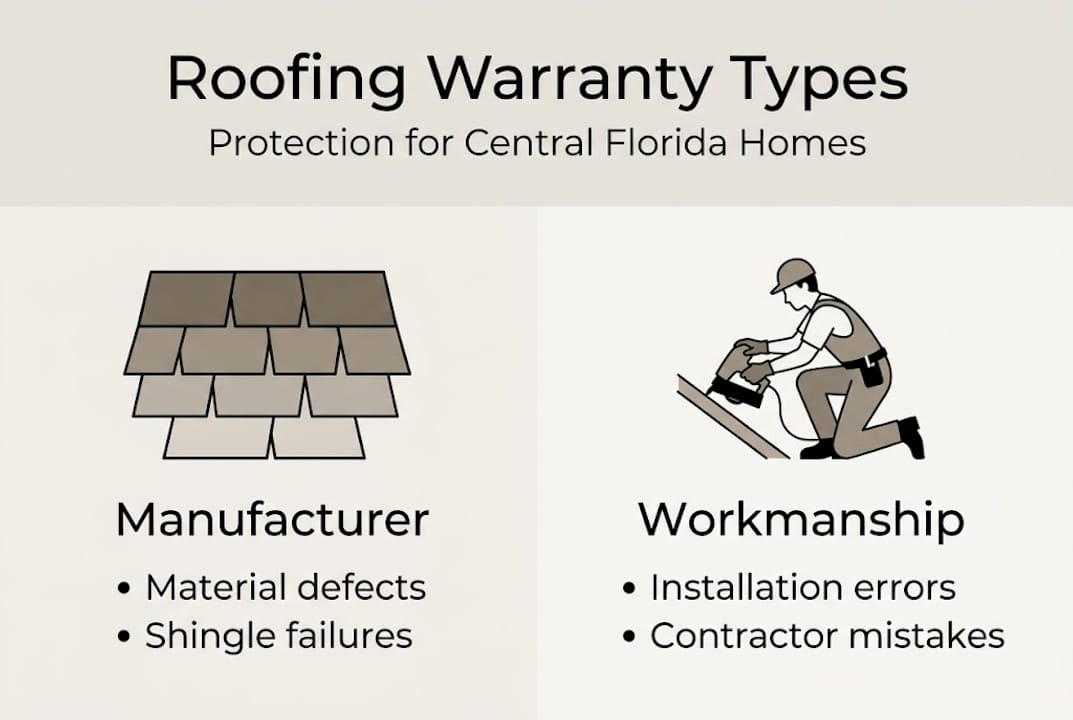
A workmanship warranty, on the other hand, covers the quality of the installation. If your roofer missed a step, used the wrong fasteners, or skipped a required underlayment, a workmanship warranty is what protects you. These typically run 1 to 10 years and vary widely by contractor.
Here’s a side-by-side look at what each covers:
| Feature | Manufacturer warranty | Workmanship warranty |
|---|---|---|
| Material defects | Yes | No |
| Installation errors | No | Yes |
| Storm damage | Rarely | Rarely |
| Code violations | No | Depends on contractor |
| Transferable to new owner | Sometimes | Sometimes |
| Requires registration | Often | Sometimes |
Common exclusions in Central Florida include wind and hurricane damage, water intrusion from code violations, and any damage caused by unauthorized repairs. Many homeowners are shocked to learn their policy doesn’t cover the exact scenario they feared most.
The most common warranty denials come down to improper installation. When a roofer skips steps or uses non-approved materials, the manufacturer has every right to reject your claim. Understanding the roofing warranty types available in Florida is the first step toward real protection.
Before signing any contract, ask your contractor these questions:
- Does your workmanship warranty cover code compliance issues?
- Is your installation method approved by the material manufacturer?
- Will you register the warranty on my behalf, and can I get written proof?
- What happens to my warranty if I sell the home?
- Are there maintenance requirements I must follow to keep coverage valid?
These questions separate contractors who know their product from those who are just selling a price.
Why Florida’s climate and building codes make warranties critical
Florida is not a forgiving environment for roofs. Heat, humidity, torrential rain, and hurricane-force winds put every roofing system under constant stress. That’s why Central Florida roofing codes are among the strictest in the country, and why meeting those codes is directly tied to whether your warranty holds up.
Florida’s building code requires specific wind ratings, secondary water resistance barriers, and approved fastener patterns. If any of these are skipped or done incorrectly, your warranty can be voided before your roof even faces its first storm. As noted in roofing guarantee guidance, warranties are voided when Florida’s strict building codes, including wind ratings and secondary water resistance, are not met during installation.
Look at how different roof types performed during Hurricane Ian:
| Roof type | Damage rate after Hurricane Ian | Notes |
|---|---|---|
| Asphalt shingles (10+ years old) | ~50% | Highest failure rate |
| Metal roofing | ~12% | Best overall performance |
| Tile roofing | Variable | Dependent on fastening method |
IBHS data from Hurricane Ian shows that nearly half of asphalt shingle roofs over 10 years old sustained damage, while metal roofs came in at just 12%. The key factor wasn’t just material choice. It was workmanship and installation quality.
For roof replacement requirements in Central Florida, code compliance isn’t optional. It’s the foundation your warranty is built on. If a contractor cuts corners on fastener spacing or skips the required secondary water barrier, your warranty is essentially void from day one.
Pro Tip: Always ask your contractor for written documentation showing your installation meets Florida’s current building codes. Without it, your warranty could be unenforceable the moment you need it most.
Older roofs are especially vulnerable. When a storm rolls through and your 12-year-old asphalt shingles fail, the manufacturer may point to age and installation issues rather than a product defect. That’s a battle you don’t want to fight without proper documentation in hand.
Why most roofing warranty claims are denied—and how to avoid it
Knowing how tough the local climate and codes are, it’s essential to understand why most attempts to claim your warranty often fail, and how you can beat those odds.
Here are the top five reasons Florida roofing warranty claims are denied:
- Improper installation — The single biggest cause. Over 40% of claims in Florida are denied because the installation didn’t meet code requirements.
- Code violations — Missing wind ratings, wrong underlayment, or improper fasteners all give insurers and manufacturers a reason to walk away.
- Lack of maintenance — Neglecting your roof, ignoring small leaks, or skipping annual inspections can be used against you in a claim.
- Unauthorized repairs — Letting an unlicensed handyman patch your roof, even for a minor fix, can void your entire warranty.
- Failure to register — Many manufacturer warranties require registration within a set window after installation. Miss that window, and your coverage may not exist.
“Industry data shows most roofing failures stem from installation errors, not material defects. Yet homeowners consistently assume the opposite.”
Common homeowner mistakes go beyond just hiring the wrong contractor. Walking on your roof without proper precautions can crack tiles or break the seal on shingles. Pressure washing the surface, while it looks clean, can strip protective granules and is specifically listed as a warranty-voiding action in many policies. DIY repairs, even well-intentioned ones, almost always disqualify you from future claims.
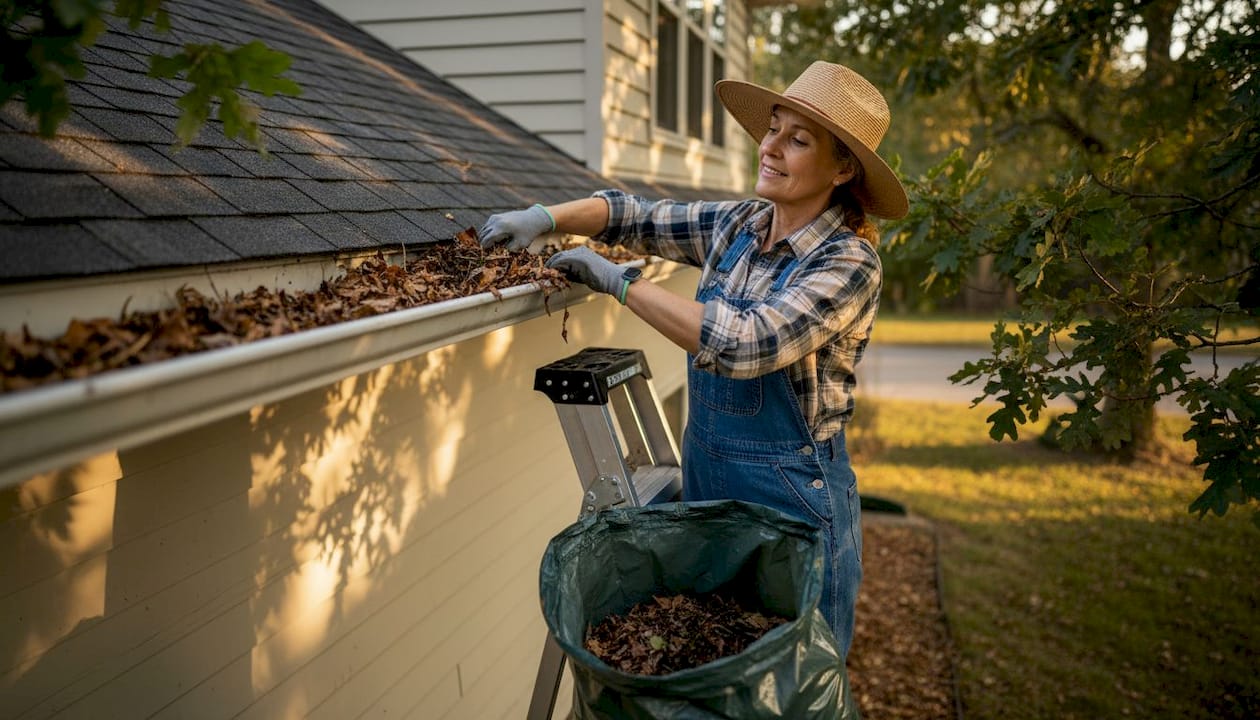
The maintenance steps for warranty compliance are straightforward but often overlooked. Keeping gutters clear, trimming overhanging branches, and scheduling annual professional inspections are the basics. Beyond that, document everything. Photos, receipts, and contractor reports are your best defense if a claim is ever disputed.
Reviewing claim denial rates in Central Florida makes one thing clear: the homeowners who win their claims are the ones who treated their warranty like a living document, not a one-time transaction. As outlined in roofing guarantee guidance, warranties are voided by DIY repairs, unauthorized contractors, pressure washing, walking on the roof, poor maintenance, or not registering the warranty.
How to maximize your roofing warranty’s protection
Avoiding mistakes is important, but maximizing your roof’s protection also means taking a few proactive steps before and after installation.
Start by reviewing the warranty document before you sign anything. Look for these key items:
- Coverage duration for both materials and workmanship
- Specific exclusions (wind, hail, code violations)
- Maintenance requirements that must be followed
- Registration deadlines and process
- Transferability terms if you sell the home
- Who handles claims: the manufacturer, the contractor, or both
Certified installers matter more than most homeowners realize. When a contractor is manufacturer-authorized, they’ve been trained on specific installation methods that keep the warranty valid. They also have a direct relationship with the manufacturer, which makes claims processing smoother. The benefits of certified roofers go beyond just quality work. They provide a paper trail that can be the difference between an approved and a denied claim.
Pro Tip: Request written confirmation that your warranty has been registered with the manufacturer and that your installer holds current manufacturer authorization. Keep these documents with your home records, not just in email.
Once your roof is installed, stay on top of these maintenance tasks to remain in compliance:
- Schedule a professional inspection every 12 months
- Clear gutters and downspouts after every major storm
- Trim trees that hang over or near the roofline
- Report and document any leaks or visible damage immediately
- Avoid walking on the roof unless absolutely necessary
Transferability is another underused feature. Some roofing certifications allow you to transfer the warranty to a new homeowner, which can be a real selling point. A transferable warranty signals that the roof was installed correctly and maintained properly. Buyers notice that. As a reminder, unauthorized repairs or poor maintenance will void your coverage before you ever get the chance to transfer it.
Why great warranties start with great contractors—a hard-won lesson
Here’s something most articles won’t tell you: the warranty document itself is almost secondary. What actually determines whether your claim gets honored is the contractor who installed your roof and how well they documented their work.
We’ve seen this play out repeatedly across Central Florida. A homeowner gets a great-sounding warranty from a low-bid contractor, a storm hits, and suddenly the manufacturer points to installation gaps that the contractor never disclosed. The homeowner is left holding a piece of paper that doesn’t hold up.
Certified roofing contractors don’t just install better roofs. They create the documentation trail that makes real warranty protection enforceable. When you’re interviewing roofers, ask them directly: “What do you do to support a warranty claim if something goes wrong two years from now?” A contractor who can answer that clearly is worth far more than one who just quotes you the longest warranty term.
The cheapest bid almost never accounts for the cost of a denied claim.
Get a Central Florida roof warranty that truly protects you
Ready to make sure your next roof is installed and protected the right way? A warranty is only as strong as the team behind it, and that’s where local, certified professionals make all the difference.

At Thomas Roofing and Repair, we handle professional roof installation with manufacturer-authorized methods, so your warranty is valid from day one. Whether you need routine repairs, a full replacement, or storm repair guidance after a major weather event, our team ensures every job is documented and code-compliant. For urgent situations, our emergency roof repairs service is built to protect your home and your warranty coverage at the same time. Contact us today for a free roof evaluation.
Frequently asked questions
What voids a roofing warranty in Florida?
DIY repairs, unauthorized contractors, pressure washing, walking on the roof, poor maintenance, or failing to register the warranty can all void your coverage. Even one of these mistakes is enough to disqualify a claim.
Does a warranty cover hurricane damage in Central Florida?
Most warranties exclude hurricane or wind damage unless the policy explicitly states otherwise, and coverage depends entirely on whether Florida’s strict installation codes were followed during your roof installation.
Why are most Florida roofing warranty claims denied?
Improper installation and code violations are the leading causes, not defects in roofing materials. Most homeowners assume the opposite, which is why so many claims come as a surprise.
How can I make sure my warranty is honored?
Use certified contractors, keep up with required maintenance, and register your warranty promptly after installation. Keeping thorough documentation of all inspections and repairs is your strongest protection.
Recommended
- Roofing warranties in Central Florida: 68% claim denial
- Clermont Roof Replacement Services | Thomas Roofing and Repair
- Why roof inspection matters: protect your Central Florida home
- Roof inspection benefits for Central Florida properties
- Roofing Company Orlando, FL
- Roofing Company Titusville, FL
- Roofing Company DeLand, FL