
Most Central Florida homeowners believe their roof is fine until the first leak appears during hurricane season. This reactive mindset costs thousands in emergency repairs that regular maintenance could prevent. Your aging roof faces unique challenges from intense UV exposure, humidity, and violent storms that accelerate deterioration far beyond roofs in other climates. Understanding how strategic maintenance extends roof life and prevents catastrophic storm damage transforms your approach from crisis management to proactive protection. This guide delivers actionable maintenance strategies specifically designed for Central Florida’s demanding conditions, helping you maximize your roofing investment while safeguarding your home.
Table of Contents
- Why Roof Maintenance Matters For Central Florida Homeowners
- Common Roof Problems And How Maintenance Prevents Them
- Comparing Maintenance Vs. Reactive Repairs: Cost, Lifespan, And Peace Of Mind
- How To Implement An Effective Roof Maintenance Plan For Aging Roofs
- Find Trusted Roofing Maintenance And Repair Services In Central Florida
Key takeaways
| Point | Details |
|---|---|
| Maintenance extends lifespan | Regular roof maintenance can add 5 to 10 years to your roof’s functional life in Central Florida’s harsh climate. |
| Early detection saves money | Identifying minor issues before storms hit reduces repair costs by up to 30% compared to emergency fixes. |
| Regional challenges require expertise | Professional inspections address humidity damage, UV degradation, and hurricane preparation specific to Central Florida properties. |
| Prevention protects investment | Scheduled upkeep prevents water intrusion, mold growth, and structural damage that compromise home safety and value. |
Why roof maintenance matters for Central Florida homeowners
Central Florida’s climate creates a perfect storm of conditions that age roofs faster than almost anywhere else in the country. Relentless UV radiation breaks down shingle composition, while high humidity promotes algae and mold growth that compromise roof integrity. Hurricane season brings wind speeds exceeding 100 mph and torrential rainfall that exploits every weakness in your roofing system. Consistent roof maintenance significantly slows deterioration caused by Florida’s heat, rain, and storms.
Many homeowners fall into the trap of thinking their roof requires attention only when visible problems emerge. This misconception stems from roofs being out of sight and out of mind until water stains appear on ceilings or shingles litter the yard after a storm. By that point, damage has often penetrated multiple layers, turning what could have been a simple seal repair into extensive structural work. The financial difference between preventative maintenance and emergency restoration often reaches thousands of dollars.
Maintaining older roofs becomes even more critical as materials approach the end of their rated lifespan. A 15 year old asphalt shingle roof in Central Florida has endured approximately 5,475 hours of intense sunlight and weathered dozens of severe thunderstorms. Small cracks in flashing, minor shingle curling, and microscopic seal failures accumulate into major vulnerabilities. Regular inspections catch these issues while repairs remain simple and affordable.
Pro Tip: Schedule your annual roof maintenance inspection in April or May, before hurricane season begins in June. This timing allows you to address any vulnerabilities discovered during inspection before severe weather tests your roof’s resilience, potentially saving you from emergency repairs during the busiest and most expensive time for roofing contractors.
The benefits of proactive maintenance extend beyond cost savings:
- Extended roof lifespan through early intervention on minor damage
- Maintained home value by preventing water damage and mold
- Lower insurance premiums with documented maintenance records
- Peace of mind during hurricane season knowing your roof is storm ready
- Preserved manufacturer warranties that often require regular professional maintenance
Common roof problems and how maintenance prevents them
Aging roofs in Central Florida develop predictable problems that routine maintenance effectively addresses before they escalate into major failures. Understanding these common issues helps you recognize why scheduled upkeep delivers such substantial value. Regular inspections identify roof damage such as missing shingles or leaks common in aging roofs, preventing escalation into structural problems.
Shingle damage tops the list of frequent roofing problems in our region. Granule loss from UV exposure reduces shingles’ protective capabilities, while thermal cycling causes brittleness and cracking. Wind driven rain during thunderstorms exploits curled or lifted shingles, allowing water penetration into underlayment and decking. What begins as a few damaged shingles quickly spreads as surrounding materials compensate for compromised areas, accelerating overall roof degradation.
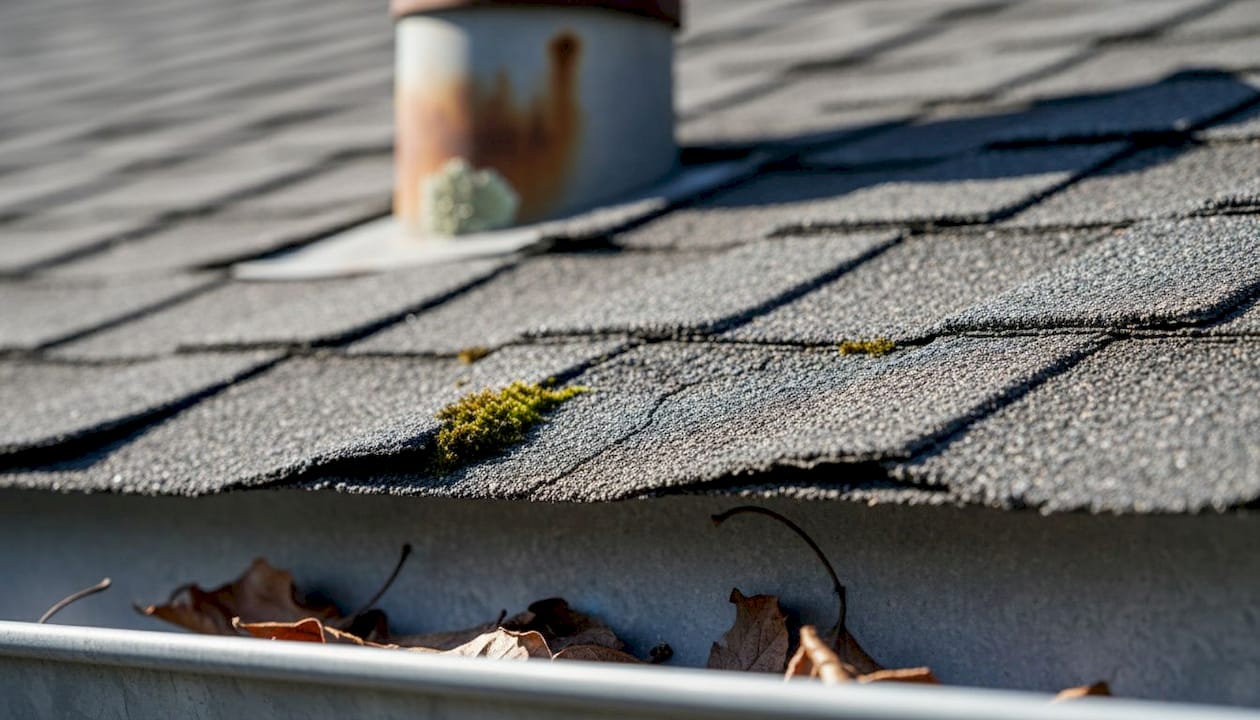
Flashing failures around chimneys, vents, and roof valleys create prime entry points for water intrusion. The sealants used in flashing installations deteriorate faster in Florida’s heat, developing gaps that channel rainwater directly into your home’s structure. Moss and algae growth, while appearing merely cosmetic, actually trap moisture against roofing materials and accelerate decomposition. Debris accumulation in valleys and around penetrations blocks proper drainage, creating standing water that seeps through even intact shingles.
A comprehensive maintenance schedule systematically addresses each vulnerability:
- Quarterly debris removal from gutters, valleys, and roof surfaces
- Biannual inspection of all flashing and sealant integrity
- Annual professional assessment of shingle condition and granule retention
- Immediate repair of identified damage before next storm season
- Application of algae resistant treatments in problem areas
Pro Tip: Take photos during each inspection to create a visual timeline of your roof’s condition. This documentation helps you track deterioration rates, proves maintenance history to insurance companies after storm damage, and provides valuable information when planning eventual replacement.
| Problem | Warning Signs | Maintenance Solution |
|---|---|---|
| Shingle damage | Granules in gutters, curled edges, missing pieces | Replace damaged shingles, apply sealant to lifted areas |
| Flashing failure | Water stains near chimneys or vents, rust spots | Reseal joints, replace corroded flashing components |
| Algae growth | Dark streaks, green or black patches | Clean with approved solutions, apply preventative treatments |
| Clogged drainage | Standing water, sagging areas, overflow during rain | Clear debris, ensure proper slope and gutter function |
| Seal deterioration | Exposed nail heads, gaps around penetrations | Reapply roofing cement, replace worn boots and collars |
Comparing maintenance vs. reactive repairs: cost, lifespan, and peace of mind
The financial and practical differences between proactive maintenance and reactive emergency repairs become crystal clear when examined side by side. Routine maintenance can reduce storm damage repair costs by up to 30% by addressing issues early, before they compound into major failures requiring extensive restoration work.
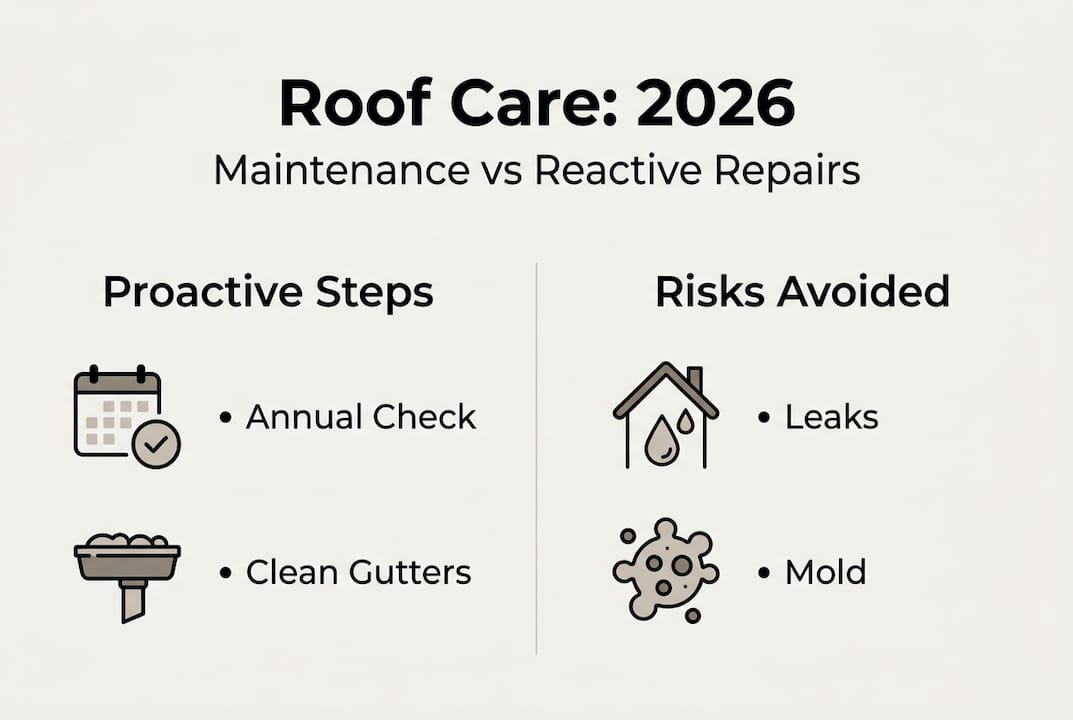
Homeowners who invest in regular maintenance typically spend $300 to $600 annually on inspections, cleaning, and minor repairs. This predictable expense prevents the $3,000 to $8,000 emergency repair bills that strike households practicing reactive maintenance. Over a roof’s lifespan, proactive care costs roughly 40% less than the cumulative emergency repairs needed when problems go undetected. The math becomes even more favorable when you factor in the extended lifespan that maintenance provides.
Reactive repairs arrive at the worst possible times. A roof leak discovered during a hurricane means competing with thousands of other homeowners for limited contractor availability, often paying premium rates for emergency service. Water damage spreads rapidly once it penetrates your roof, affecting insulation, drywall, electrical systems, and personal property. The stress of managing unexpected major repairs while dealing with storm aftermath creates emotional and logistical burdens that proactive maintenance entirely avoids.
| Factor | Proactive Maintenance | Reactive Repairs |
|---|---|---|
| Annual cost | $300 to $600 for inspections and minor fixes | $0 until failure, then $3,000 to $8,000 per incident |
| Roof lifespan | 25 to 30 years with proper care | 15 to 20 years with neglect and emergency patches |
| Timing control | Scheduled during convenient, dry weather | Emergency response during storms or immediately after |
| Stress level | Low, predictable, planned expenses | High, unexpected crises requiring immediate decisions |
| Insurance impact | May qualify for discounts with documentation | Higher premiums after multiple claims |
| Home value | Maintained through preserved roof integrity | Reduced by visible damage and repair history |
The benefits of choosing maintenance over reactive repairs extend beyond immediate finances:
- Contractor relationships built over time ensure priority service and fair pricing
- Detailed maintenance records strengthen insurance claims when legitimate storm damage occurs
- Planned repairs allow you to budget and compare contractor quotes without time pressure
- Early problem detection prevents secondary damage to interior spaces and belongings
- Maintained roofs enhance curb appeal and support higher resale values
Consider a typical scenario: a homeowner discovers a small leak around a vent flashing during a routine inspection. Repair costs $175 and takes two hours. Without that inspection, the leak goes unnoticed until the next major storm, when water pours into the attic, damages insulation and ceiling drywall, and requires emergency tarping. Total repair bill exceeds $4,500 and takes weeks to fully remediate. The $175 preventative fix delivers a 2,471% return on investment.
How to implement an effective roof maintenance plan for aging roofs
Establishing a systematic maintenance routine transforms roof care from overwhelming guesswork into manageable, effective action. Step-by-step maintenance plans help homeowners preserve roof integrity and prevent storm damage through consistent, strategic interventions tailored to Central Florida conditions.
Your maintenance plan should follow this proven sequence:
- Schedule professional inspections twice yearly, ideally in spring before hurricane season and fall after peak storm months.
- Conduct visual ground level inspections quarterly, looking for obvious damage like missing shingles or sagging areas.
- Clean gutters and remove roof debris after every major storm and at least four times annually.
- Document all findings with dated photos and written notes describing condition and any changes observed.
- Address identified issues immediately, prioritizing anything that could allow water penetration.
- Maintain a dedicated roof maintenance fund with $500 to $1,000 reserved for unexpected minor repairs.
- Review your roof’s age and condition annually to plan for eventual replacement before emergency failure forces rushed decisions.
Timing your maintenance activities around Central Florida’s weather patterns maximizes effectiveness. April and May offer ideal conditions for thorough inspections and repairs before June marks hurricane season’s official start. September through November provides a second window after peak storm activity subsides. Avoid scheduling major work during summer’s daily afternoon thunderstorms or the active hurricane months of August and September.
Pro Tip: Create a simple spreadsheet or use a note taking app to log every inspection date, findings, repairs completed, and costs incurred. This maintenance log becomes invaluable when selling your home, filing insurance claims, or deciding between repair and replacement as your roof ages. Include contractor names and contact information for services you trust.
Knowing when to call professional roofing services versus handling tasks yourself ensures safety and effectiveness. Homeowners can safely manage ground level visual inspections, gutter cleaning with proper ladder safety, and debris removal from accessible roof areas. However, reserve these tasks for licensed roofing professionals:
- Any work requiring walking on the roof surface, especially on older or damaged roofs
- Flashing repairs or replacement around chimneys, vents, and valleys
- Shingle replacement beyond a few isolated pieces
- Assessment of structural issues like sagging or soft spots
- Application of specialized treatments or coatings
- Any repair work above single story height
Preparing your roof for hurricane season deserves special attention in Central Florida’s maintenance calendar. Beyond standard inspection and repair, verify that all loose items near your home are secured, trim overhanging tree branches that could impact your roof during high winds, and ensure you have emergency contact information for your roofing contractor. Consider having tarps and basic emergency supplies on hand, though professional installation is always preferable for safety and effectiveness.
Find trusted roofing maintenance and repair services in Central Florida
Protecting your aging roof requires partnering with experienced professionals who understand Central Florida’s unique challenges and deliver reliable, high quality service. Thomas Roofing and Repair specializes in comprehensive roof maintenance for Central Florida homes, offering expert inspections that identify vulnerabilities before they become costly problems.

Our team provides the complete range of services your roof needs throughout its lifespan, from routine maintenance and minor repairs to emergency roof repair when storms strike unexpectedly. When your roof reaches the end of its serviceable life, we deliver professional roof installation in Horizon West and throughout Central Florida, using premium materials designed to withstand our demanding climate. Contact us today for a thorough inspection and personalized maintenance plan that extends your roof’s lifespan while protecting your home and family.
FAQ
What are the most cost effective roof maintenance practices?
Regular cleaning of gutters and roof surfaces, combined with annual professional inspections, delivers the highest return on investment for roof maintenance. These practices cost $200 to $400 annually but prevent damage that typically requires $3,000 or more to repair. Addressing minor issues immediately, such as replacing a few damaged shingles or resealing flashing, stops small problems from escalating into major failures. Budgeting $500 to $600 yearly for comprehensive maintenance provides excellent long term value compared to reactive emergency repairs. Find detailed guidance on roof maintenance tips for Florida homeowners to maximize your investment.
How often should I schedule professional roof inspections in Central Florida?
Professional roof inspections should occur at least once annually in Central Florida, with twice yearly inspections recommended for roofs over 10 years old. Schedule inspections in spring before hurricane season and again in fall after peak storm activity to catch damage early. After any major storm with winds exceeding 50 mph or significant hail, arrange an immediate inspection even if no obvious damage is visible from the ground. Older roofs or those with previous repair history benefit from more frequent professional assessments. Learn more about roof inspection benefits for Central Florida properties and how they protect your investment.
Can regular roof maintenance reduce hurricane damage?
Yes, consistent roof maintenance significantly reduces hurricane damage by identifying and repairing vulnerabilities before severe weather tests your roof’s integrity. Routine roof maintenance reduces storm damage and associated repair costs by addressing weaknesses in advance, such as loose shingles, deteriorated flashing, and compromised seals. Well maintained roofs withstand high winds and heavy rainfall far better than neglected roofs with existing damage. This proactive approach can lower the severity of storm damage by 30% or more, reducing insurance claims and out of pocket expenses. Maintenance also ensures your roof meets current building codes, which often provide enhanced hurricane resistance compared to older standards.
What signs indicate it’s time to replace rather than repair my roof?
Multiple leaks in different areas, widespread shingle damage affecting more than 30% of the roof surface, and aging beyond the typical 20 to 25 year lifespan for asphalt shingles suggest replacement makes more financial sense than continued repairs. Other indicators include significant sagging, daylight visible through roof boards, and extensive granule loss leaving shingles smooth and vulnerable. When annual repair costs approach 10% to 15% of replacement cost, investing in a new roof delivers better long term value. Professional assessment from experienced contractors helps you make this decision with confidence. Explore options for roof replacement in Central Florida to understand your choices and investment requirements.
Recommended
- Roof Maintenance Process: Extend Roof Life Step by Step
- Roof Maintenance Guide 2026: Protect Your Florida Home
- Residential Roof Maintenance Process for Florida Homes
- Role of Roof Maintenance for Central Florida Homes
- Roofing Company Orlando, FL
- Roofing Company Titusville, FL
- Roofing Company DeLand, FL